“Buckle up for a twisted ride that is bonkers, fast-paced, and highly unputdownable!” –Michael David
“W. T. F. When I say this is a ride, I mean like the Indy 500, on the back of a bike with no helmet and one low tire. This sh*t is outrageously delicious perfection. I am almost never shocked by twists, but this has me SHOOK to my core.”–Emily Matthys
“Just read it. Whatever you do, READ IT. “My mouth is on the floor. It has been for like 15 minutes now- talk about a jaw dropping ending. I don’t want to give anything away, so I can’t elaborate beyond READ THIS BOOK!” –Deanna
A pregnant young woman becomes obsessed with the disappearance of her lover’s wife, only to discover that she may be headed for the same fate, in this novel from New York Times best-selling author Kristin Miller
When secretary Colleen Roper becomes pregnant by her boss, Michael, he whisks her away to Ravenwood, his opulent estate. Abruptly thrust into a life of luxury she’s never known, Colleen finds the immense house suffused with the memory of Michael’s wife, Joanna, who left months ago and haunts her imagination. With rooms she’s prohibited from entering and a staff that greets her with hostility, there is little room for a new mistress of Ravenwood.
It’s not long before bones are unearthed in the grove across the street and Michael falls under the suspicion of detectives. The soon-to-be mother of his child finds herself hurled deeper into her lover’s dark past, a past filled with unfaithfulness and deception. Making a claim to her new life is harder than it seems – especially since she’s walking in the shadow of the hauntingly beautiful Joanna. As Colleen untangles truth from lies, she discovers that nothing is what it seems, and that some people will kill to keep their secrets as quiet as the dead.
Inspired by Daphne du Maurier’s Rebecca, In Her Shadow is the chilling story of one woman’s desperate desire to be loved and the ghosts that threaten to get in her way.
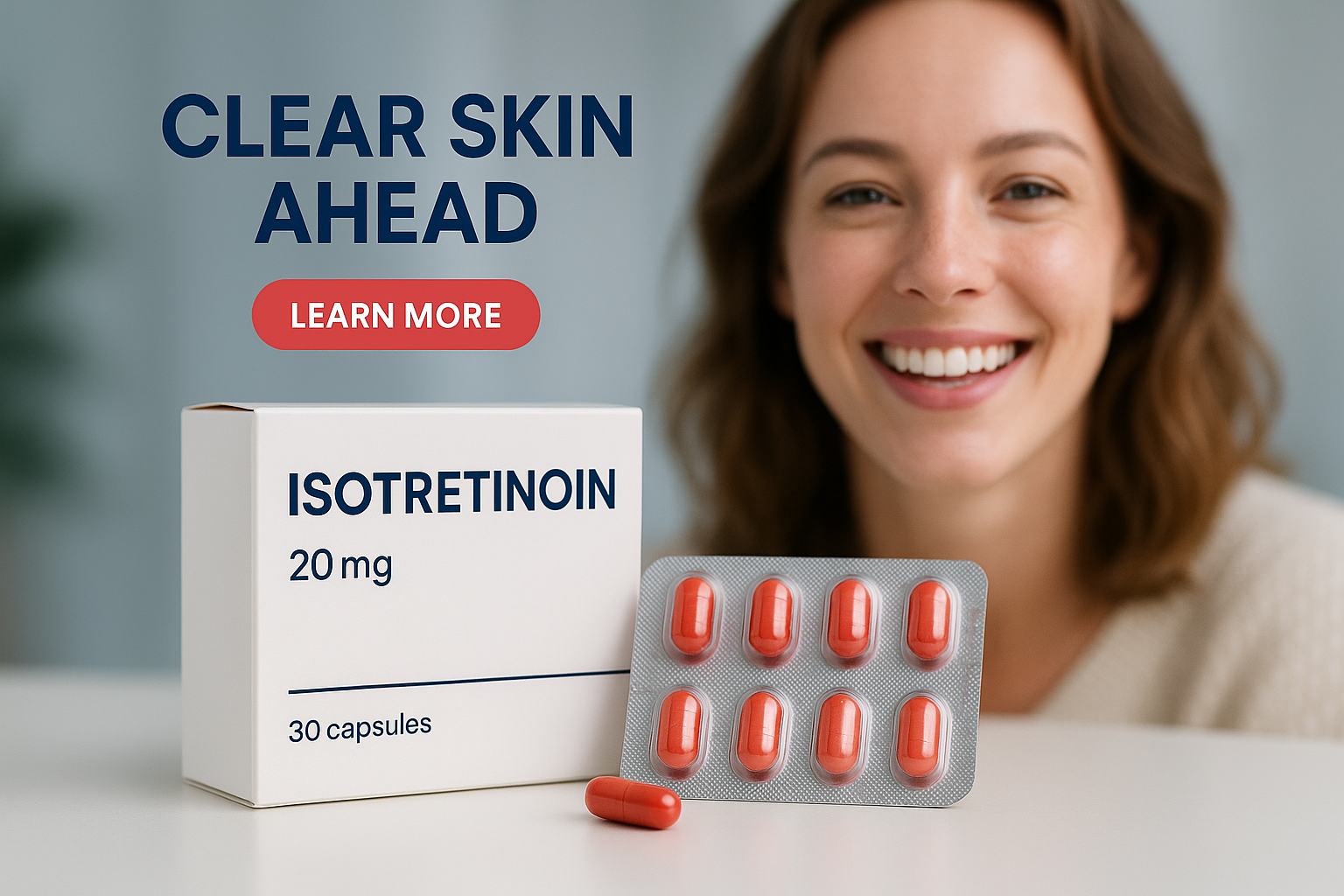
Isotretinoin: A Potent, Specialized Intervention for Severe Acne
Since its initial approval in the early 1980s, isotretinoin has significantly altered the therapeutic approach to severe acne, particularly among individuals for whom standard treatments have proven inadequate. Although data suggest that as many as 85% of patients experiencing recalcitrant, severe acne may achieve long-term or near-permanent remission following an appropriately monitored course of isotretinoin, one must acknowledge that real-world outcomes can vary due to individual differences in disease severity and adherence.
This vitamin A derivative, which is almost exclusively reserved for the most severe manifestations of acne that do not respond to less aggressive therapies, appears to have transformed dermatologic practice by offering a potent and highly reliable treatment alternative. Understanding the unique position isotretinoin occupies in clinical practice could empower both patients and healthcare professionals, especially as they weigh the risks and benefits associated with such interventions.
As individuals encountering persistent, stubborn acne may explore numerous modalities, isotretinoin is frequently regarded as the treatment of choice in scenarios when topical or systemic antibiotics have failed to render significant relief. While seeking information on options such as isotretinoin buy online or considering variables like the cheapest isotretinoin dosage price, it is important to approach such decisions with thorough insight and medical oversight, given the complexity and potential risks inherent to isotretinoin therapy.
For those wishing to broaden their knowledge about how isotretinoin fits within the spectrum of available pharmacological treatments, or to examine other relevant medications and pharmacy resources, a reputable online platform such as Pharmacy may be a useful starting point.
How Isotretinoin May Exert Its Effects: Exploring Underlying Mechanisms
Isotretinoin, categorized under the retinoid class of medications owing to its derivation from vitamin A, may achieve its profound therapeutic benefits primarily by exerting a significant inhibitory effect on sebum production, a principal factor implicated in the pathogenesis of acne vulgaris. Through alteration of the sebaceous gland architecture and functional capacity, isotretinoin could lead to marked reduction of the lipid-rich environment that fosters the proliferation of acne-associated bacteria and the persistence of inflammatory lesions.
Additionally, emerging evidence indicates that isotretinoin promotes normalization of keratinocyte differentiation and skin cell turnover while also exhibiting anti-inflammatory actions, both of which likely contribute to its efficacy in reducing and preventing comedone and nodule formation. These multifaceted mechanisms distinctly differentiate isotretinoin from medications such as FDA NDC 70882-113 amoxicillin or FDA NDC 72162-1776 fluconazole, agents that primarily address infectious etiologies and thus may fail to comprehensively target the intricate pathophysiology of acne.
Some investigators propose that isotretinoin’s capacity to modify several pathogenic pathways simultaneously may account for its reputation as a “breakthrough” intervention, marking a distinct advance compared with conventional alternatives. This breadth of activity potentially explains the drug’s ability to achieve higher remission rates than monotherapeutic strategies focused solely on bacterial suppression or inflammation mitigation.
Thus, while isotretinoin’s mechanisms are complex and not yet fully elucidated, accumulating clinical experience suggests that this medication possesses unique advantages in the context of severe acne management.
Isotretinoin Dosage Considerations and Individualized Treatment Plans
Evidence-Driven Dosage Selection
In clinical practice, isotretinoin is generally prescribed according to a patient’s body weight as well as the degree of acne involvement, with the intention of balancing efficacy against the risk of adverse effects. Available dosage formulations (such as isotretinoin 5mg, 10mg, and 30mg capsules) allow for an adaptable regimen where therapy may be initiated at lower strengths to assess patient tolerance, and subsequently adjusted based on therapeutic response and side-effect profile.
Individuals increasingly express interest in comparative costs and purchasing modes—including isotretinoin Walmart price data or reliable options to buy isotretinoin online—possibly because out-of-pocket expenses for isotretinoin may vary considerably based on region, insurance coverage, and manufacturer. Although such considerations remain important, it is crucial to consult directly with a healthcare provider, as improper dosage adjustments and unsupervised access to the medication could increase the likelihood of undesirable outcomes or toxicity.
Treatment Duration, Titration, and Necessary Monitoring
The standard duration of an isotretinoin treatment course often spans approximately 15 to 20 weeks, with the cumulative administered dose (which is tailored to body mass and clinical parameters) intended to minimize relapse rates after therapy is discontinued. Treatment is conducted under frequent medical supervision for the purpose of serially assessing laboratory markers—particularly liver function and lipid panels—as isotretinoin could cause elevations in these measurements or unmask latent metabolic disturbances.
Moreover, in addition to physical health assessments, careful monitoring for neuropsychiatric effects, including mood fluctuations, is considered best practice based on historical reports and clinical observations. Treatment oversight, in accordance with guidelines and protocols such as those referenced in FDA application docs ANDA063065, is compulsory to ensure patient safety as well as medication effectiveness.
Therefore, ongoing communication between prescriber and patient is highly recommended so that adjustments can be made in a timely manner if laboratory abnormalities or intolerable adverse events arise.
Anticipated Benefits of Isotretinoin for Acne and Emerging Uses
The principal therapeutic benefit associated with isotretinoin involves its documented ability to induce persistent, and in some cases, long-term remission of severe nodulocystic acne, potentially leading to substantial improvement in physical appearance, psychosocial functioning, and self-perception for patients who have previously failed other interventions. These potential gains in quality of life, although not universal, have been repeatedly demonstrated in a range of observational and interventional studies.
In broader clinical practice, the observed reduction in sebum production and normalization of follicular keratinization have prompted specialists to also consider isotretinoin for so-called “off-label” indications, such as particular disorders of keratinization or, less frequently, chronic recalcitrant rosacea. Critical appraisal, however, is needed before recommending isotretinoin for these alternative uses, given uncertainties regarding efficacy and the possibility of severe side effects outside the classic acne paradigm.
Given the potential for new indications and adjunct use with other pharmacologic agents, clinicians and interested patients may find it instructive to learn more about Dapoxetine, as this may offer insight into both novel mechanisms and the importance of multidisciplinary, professionally guided therapeutic planning.
Risks and Adverse Effects That May Accompany Isotretinoin Therapy
Despite its perceived efficacy, it is critical to understand that isotretinoin is not without risk, as use during pregnancy is unequivocally contraindicated given its potent teratogenic potential; indeed, there are established, mandatory pregnancy prevention measures for any woman of childbearing age undergoing isotretinoin therapy. Such protocols could include periodic pregnancy tests and the concurrent use of two reliable contraceptive methods, reflecting the gravity of these well-documented risks.
Other adverse effects commonly observed may involve mucocutaneous dryness—specifically affecting the skin, lips, and ocular surfaces—as well as increased vulnerability to sun-induced skin damage. Isotretinoin, particularly among sensitive individuals, has also been associated with psychiatric sequelae ranging from irritability to depressive symptoms, thereby warranting vigilant mental health screening and follow-up during therapy.
Given these significant safety issues, isotretinoin should never be consumed without explicit medical oversight, and in contrast with medications such as FDA NDC 70882-113 amoxicillin or FDA NDC 72162-1776 fluconazole, isotretinoin carries an array of side effects and contraindications unrelated to typical antibiotic or antifungal agents. Nevertheless, while alternative treatments exist, isotretinoin may be uniquely effective for severe, treatment-resistant acne.
Individual risk profiles should be discussed in detail with a qualified clinician prior to initiation, and ongoing assessment must remain stringent throughout and following the course of isotretinoin administration.
Key Takeaways:
Isotretinoin is generally regarded as one of the most effective interventions for refractory, severe acne, although not all patients achieve the same level of remission.
Its therapeutic mechanism appears to involve inhibition of sebum production and normalization of cellular turnover, effecting multifaceted change.
Proper dosing typically necessitates individualized regimens ranging from 5mg to 30mg, emphasizing the absolute need for sustained monitoring and clinician engagement.
Risk of serious side effects—including teratogenicity—demands rigorous adherence to safety precautions and patient education throughout therapy.
Conclusion
In summary, isotretinoin has fundamentally changed the management paradigm for severe, treatment-resistant acne by offering patients a chance at significant and often enduring clearance. While the benefits of isotretinoin may at first seem pronounced, it cannot be overemphasized that success is closely predicated on careful dosing, systematic laboratory surveillance, and education regarding potential side effects such as teratogenicity and mood disturbance.
If considering options such as isotretinoin buy or examining a spectrum of available formulations, including isotretinoin 10mg or 30mg, prospective patients should prioritize engagement with dermatology or pharmacy professionals for an evidence-based assessment tailored to their clinical scenario. Furthermore, to contextualize isotretinoin within the broader scope of medication management, relevant online references such as kristinmiller.com can provide supplementary information and a comparison of different treatment approaches.


 Kristin Miller